
AI Content Engine
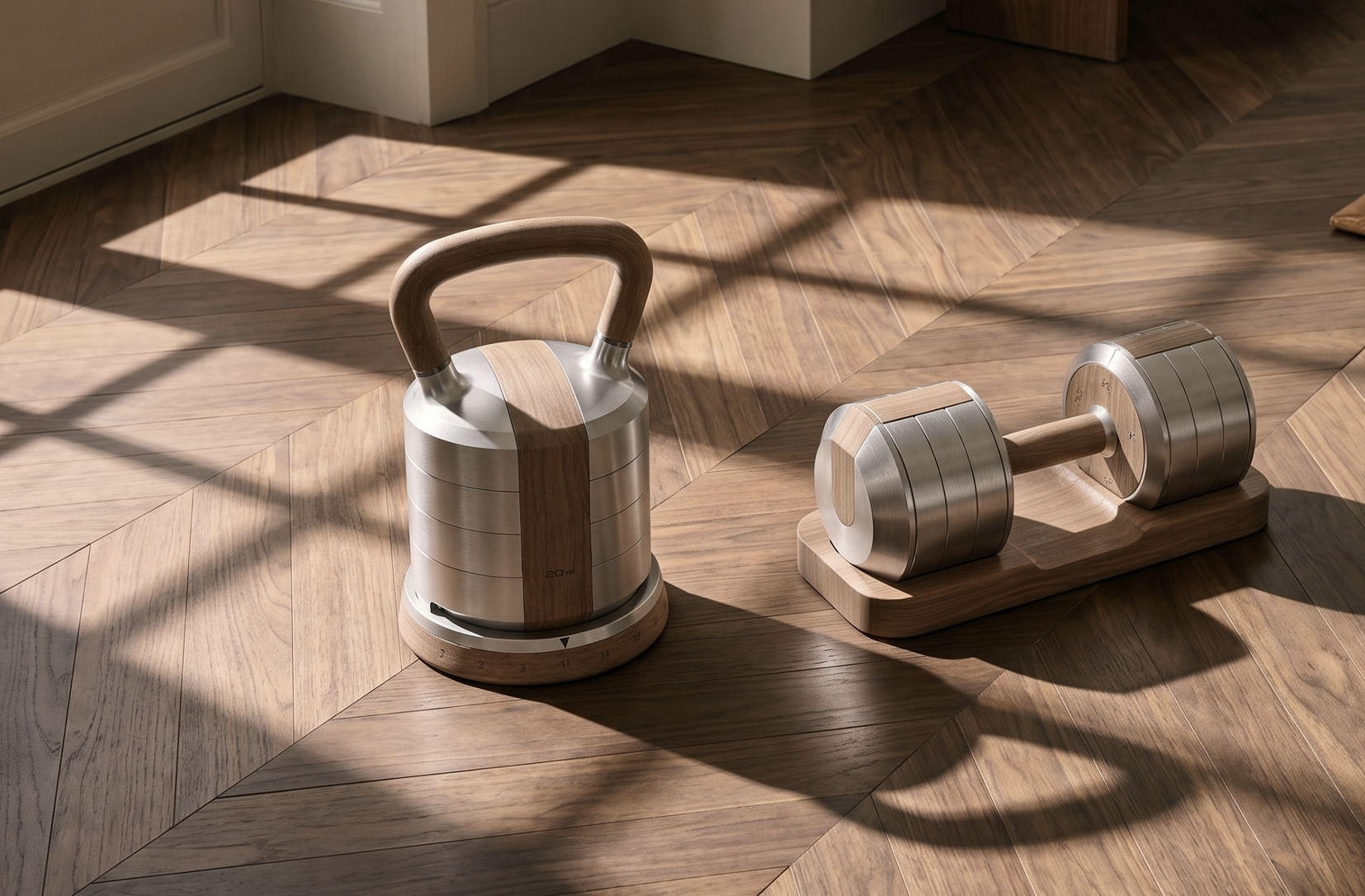
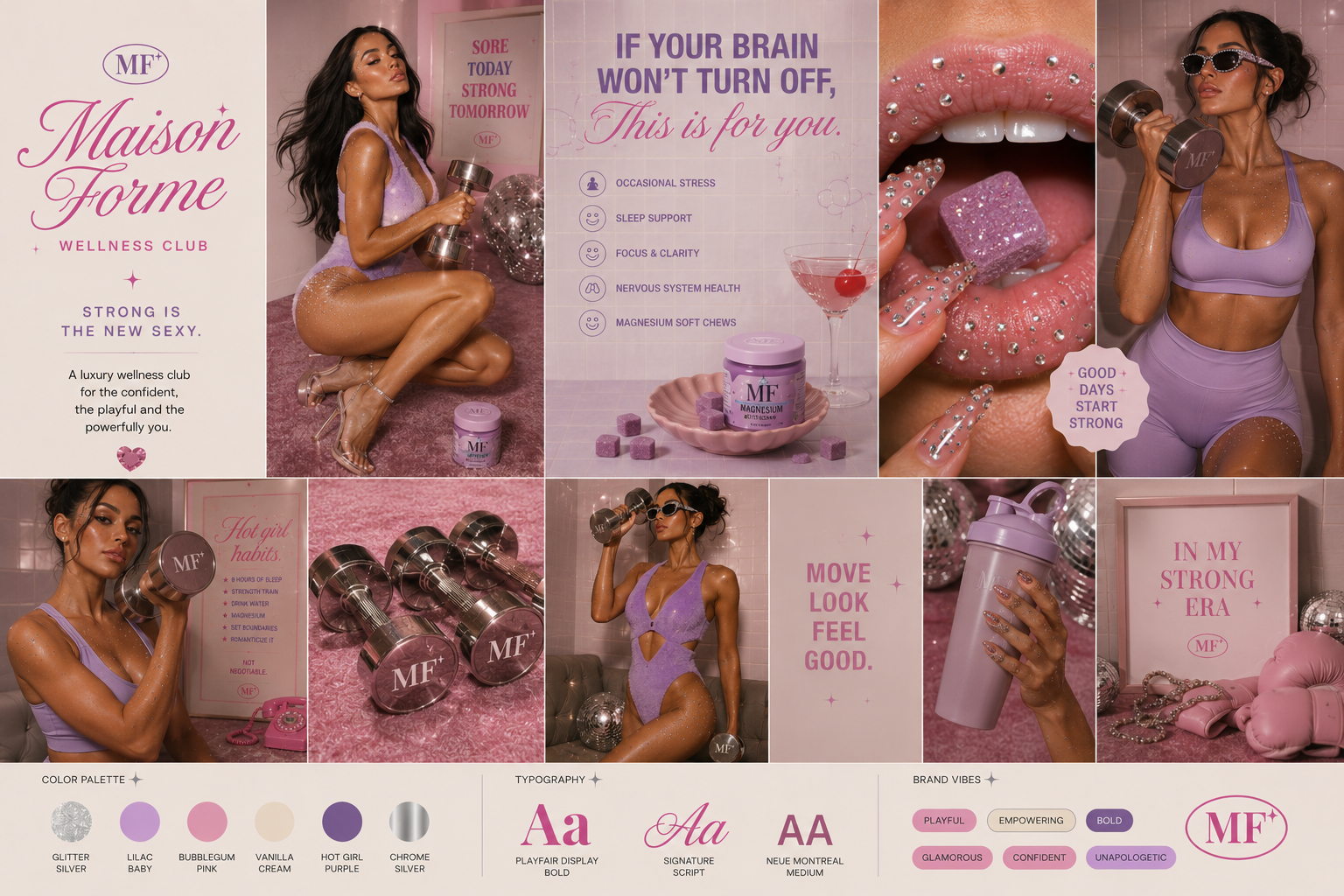
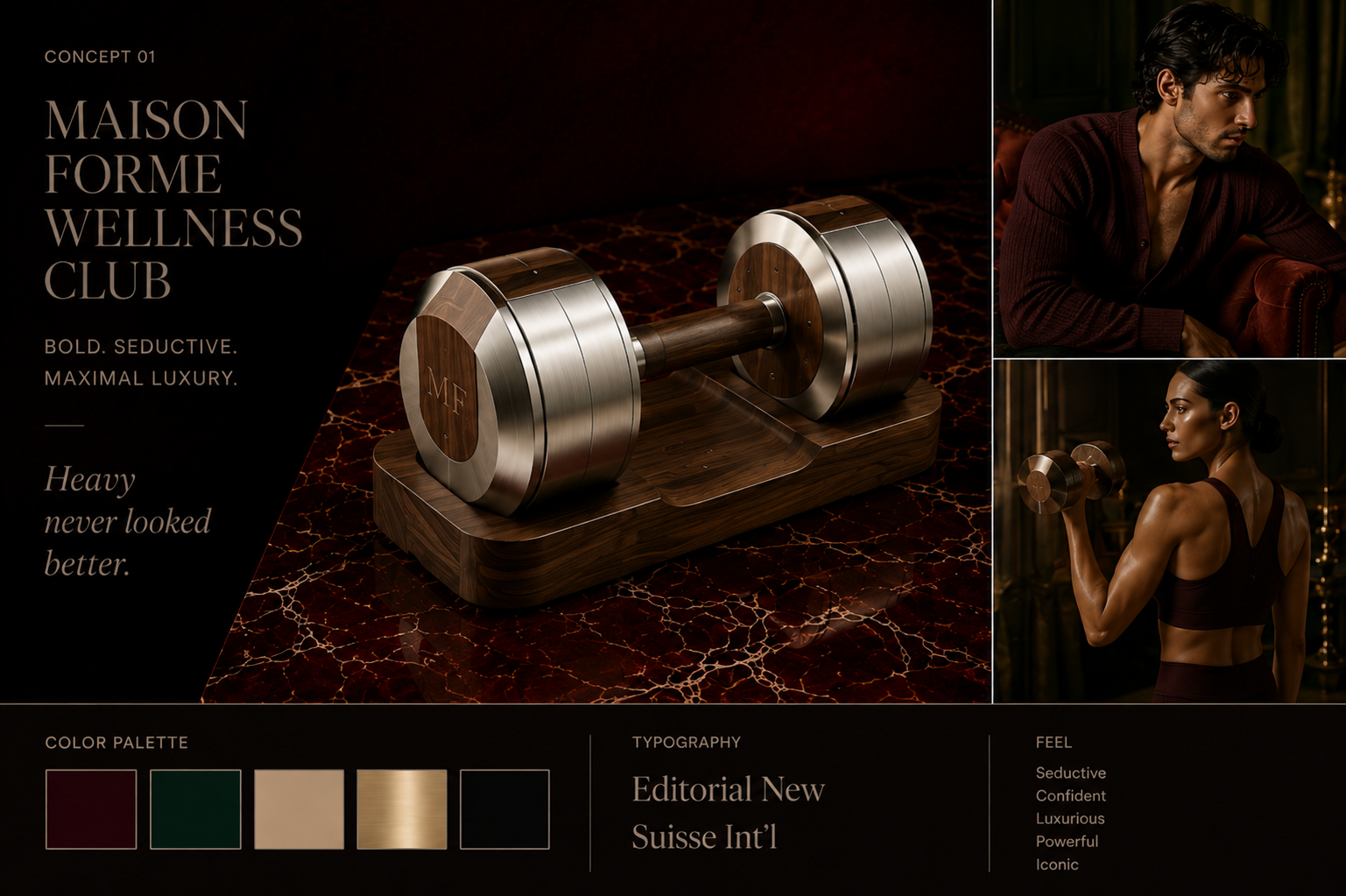
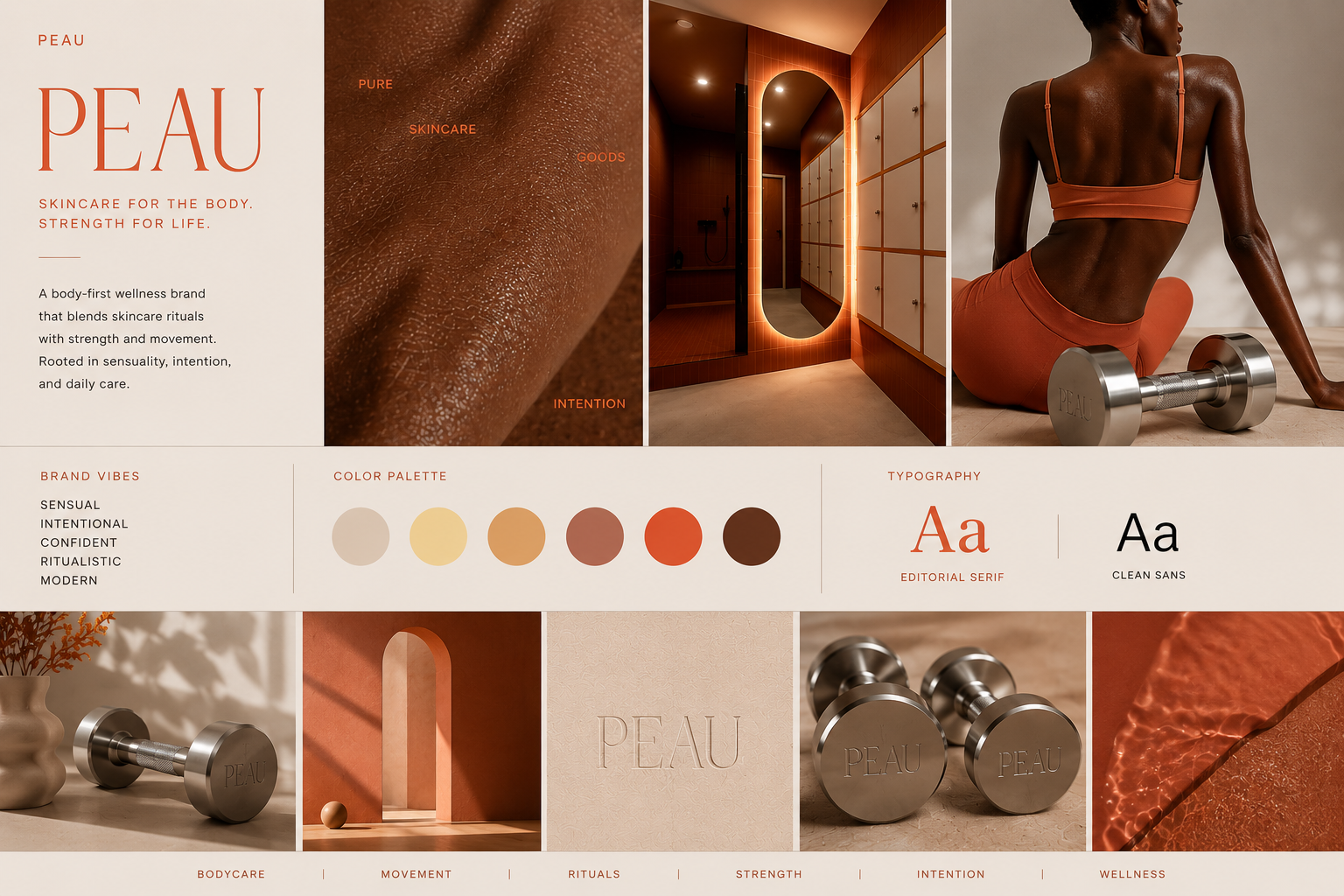
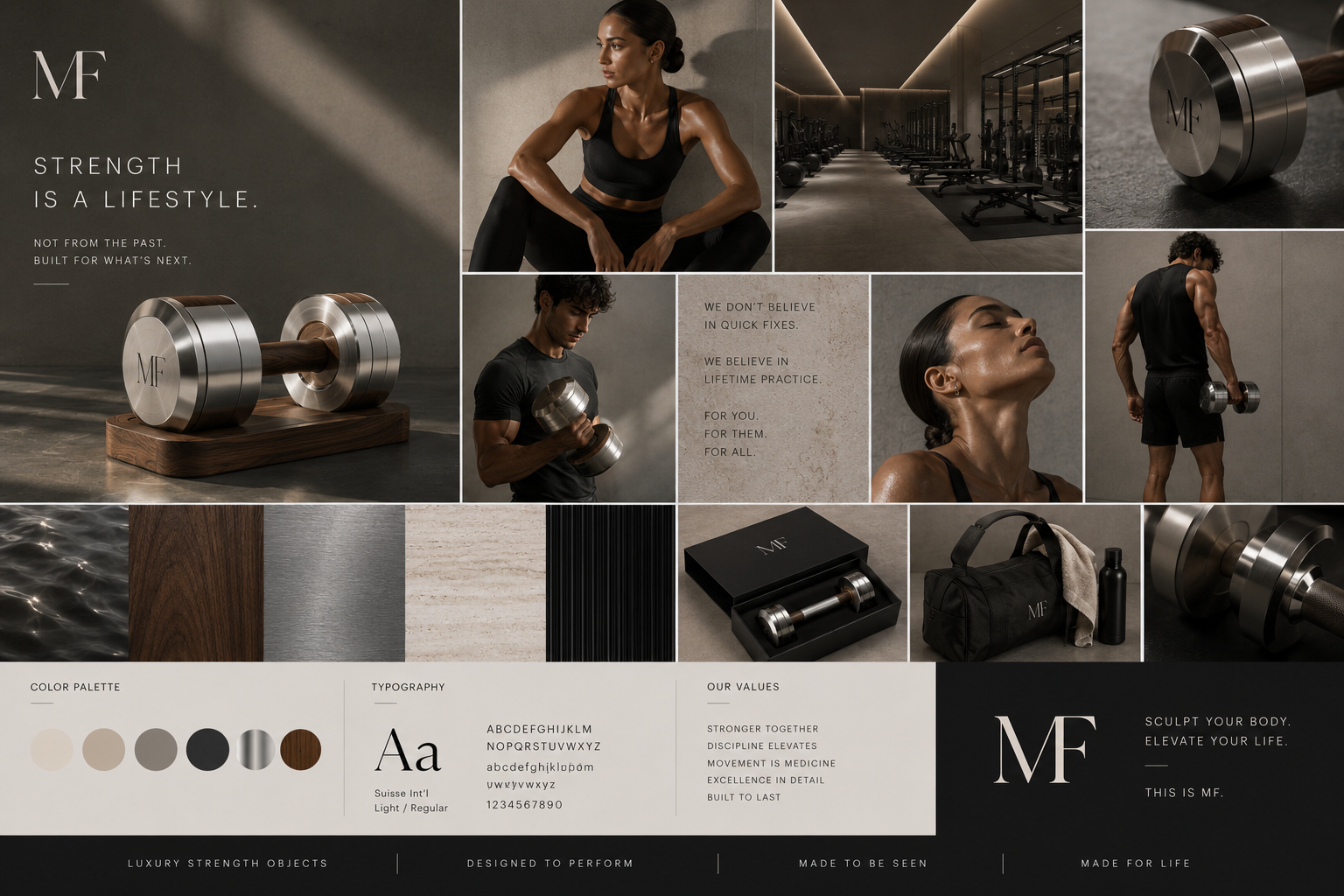
AI runs the whole arc here, not just the last step. Concepting and moodboards. Art direction and reference building. Final campaign assets that hold the product exactly, down to packaging geometry
and component count.
300 SKU launches a year, each needing packaging, content, video, and ads. Traditional shoot capacity couldn't keep up, so I built a pipeline that could. Twelve shoot days replaced. Six figures out of annual production spend.
Concept to live from weeks to days.
Kill it early
Before anything gets built, it gets tested. I use AI to concept fast and wide, then push each direction until it breaks. Twenty versions of an idea in an afternoon instead of three in a week.
The value isn't the volume. It's that weak ideas die early, before a shoot day and a production budget are riding on them. What survives the pressure test is what we build.
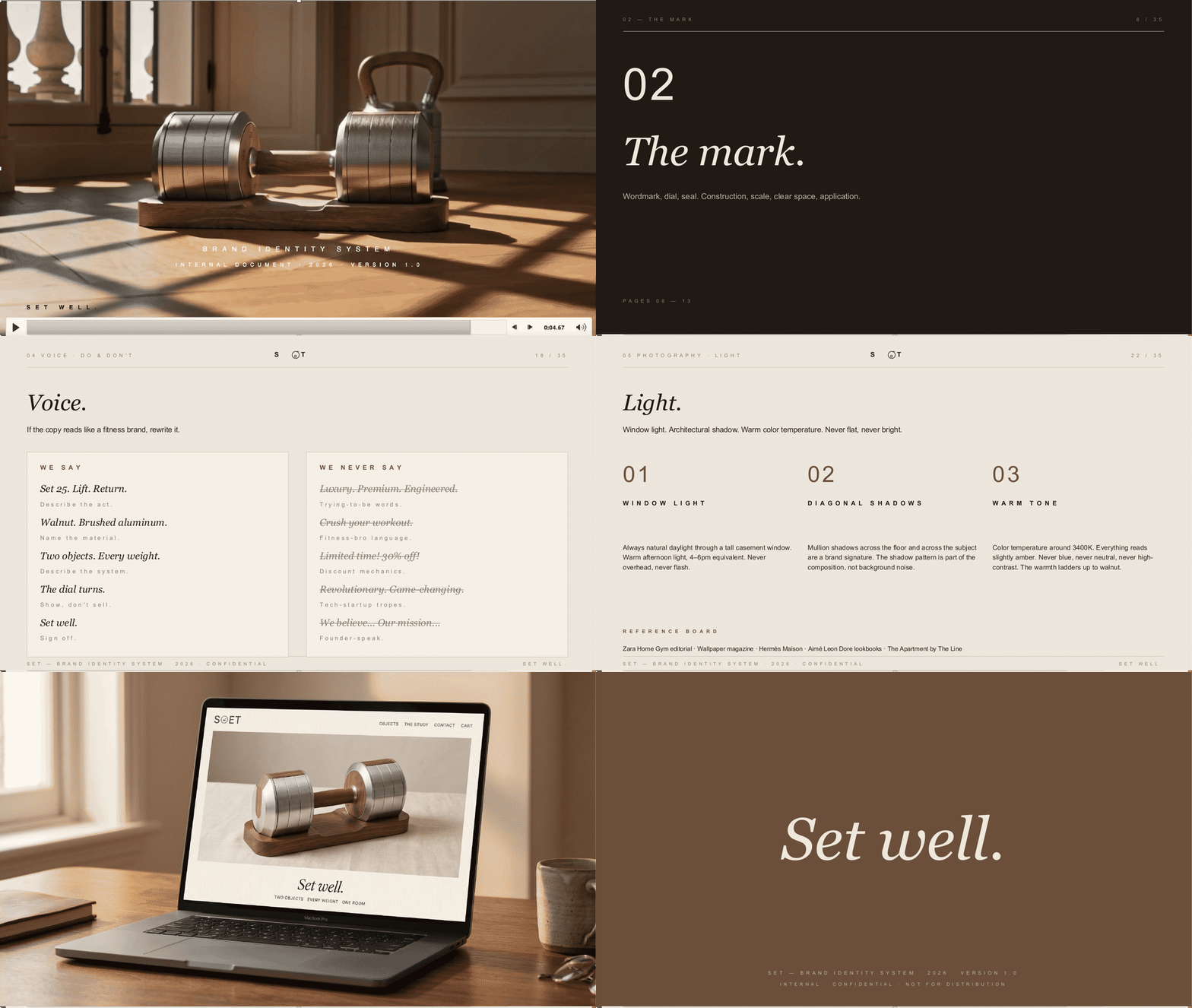
Building the Reference
SET is not a fitness brand that happens to look nice. It is a design brand whose objects happen to perform.
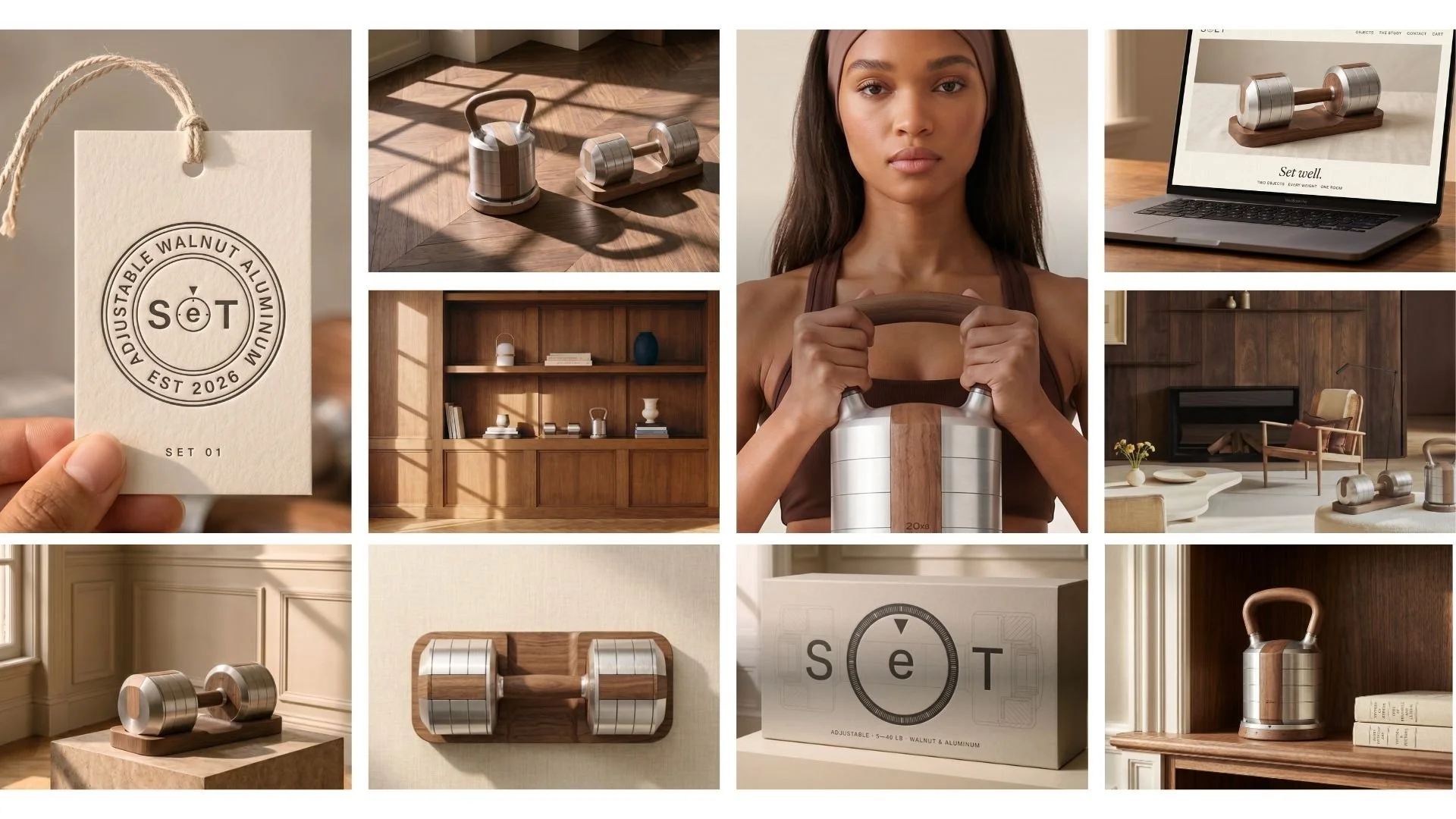
That precision is the proof case. If a pipeline can hold SET's geometry, the knurling, the weight distribution, the exact curve of a handle, it can hold anything in the portfolio. I built the reference library on SET first, then rolled
the same standard across all four brands.
The Standard
The tool changed. The standard didn't.
Every frame clears the same QC it always did, against packaging specs and claims compliance, before anything ships. I wrote those standards before we ran the first launch, because speed that costs you accuracy isn't speed. It's rework and legal exposure.
That's the part I'd bring to a new team. Not the tool. Anyone can buy the tool. The judgment about what's good enough to ship, and the system that holds it there across 300 launches a year, four brands, agencies, creators, and AI.